
Basic Life Support Non-Emergency Ambulance Transport
Licensed EMT teams for scheduled patient runs, hospital discharges, skilled nursing transfers, and dialysis appointments across Central and Eastern Illinois.

The Right Level of Care for Stable Patients
Not every transport needs paramedic-level intervention. For stable patients, licensed EMT crews are the right clinical match, and choosing correctly saves your patient unnecessary cost and your facility unnecessary paperwork. Our dispatch team helps match transport level to acuity on every call.

When BLS Is the Right Choice
Basic life support is the right call for stable patients who need safe, supervised transport but not the clinical intervention an ALS crew provides.
Are Unable To Safely Travel By Personal Vehicle
Require Medical Supervision During Transport
Have Limited Mobility Or Need Stretcher Transport
Are Being Discharged From A Hospital Or Care Facility
Need Scheduled Transport To Medical Appointments
Weekly Dialysis Appointments
How BLS Transport Works
Schedule the Transport
Call dispatch for a one-time run, or set up a facility account for recurring pickups.
Confirm Details & Care Level
Our coordinator verifies patient details, destination, timing, and that BLS is the right clinical match.
Pickup & Monitored Transport
The crew arrives with the right unit and equipment, then monitors the patient throughout the ride.
Handoff at the Destination
Care transferred to the receiving facility staff or family, with the details they need.
What Every BLS Crew Brings to the Transport
BLS is a lower acuity level, not a lower standard. Six things every crew brings.

Licensed EMT Teams
Every BLS unit is staffed with IDPH-licensed EMTs trained in patient assessment, monitoring, and basic airway management, with ongoing continuing education.

Basic Airway Support
Non-invasive airway techniques and suction available on every unit, with crews trained to recognize when more is needed.

Vital Sign Monitoring
Routine tracking throughout the transport, with escalation to a higher level of care if the patient's condition changes.

Stretcher & Wheelchair Transport
Units configured for both, so mobility limitations never become a reason a patient can't get to their appointment.

Oxygen Administration
Supplemental oxygen delivery for patients on standing orders or who need support during the ride.

Coordination & Documentation
Real-time communication with discharge planners, receiving facilities, and family, with documentation that fits your workflow.
Reliable Care for Everyday Medical Needs
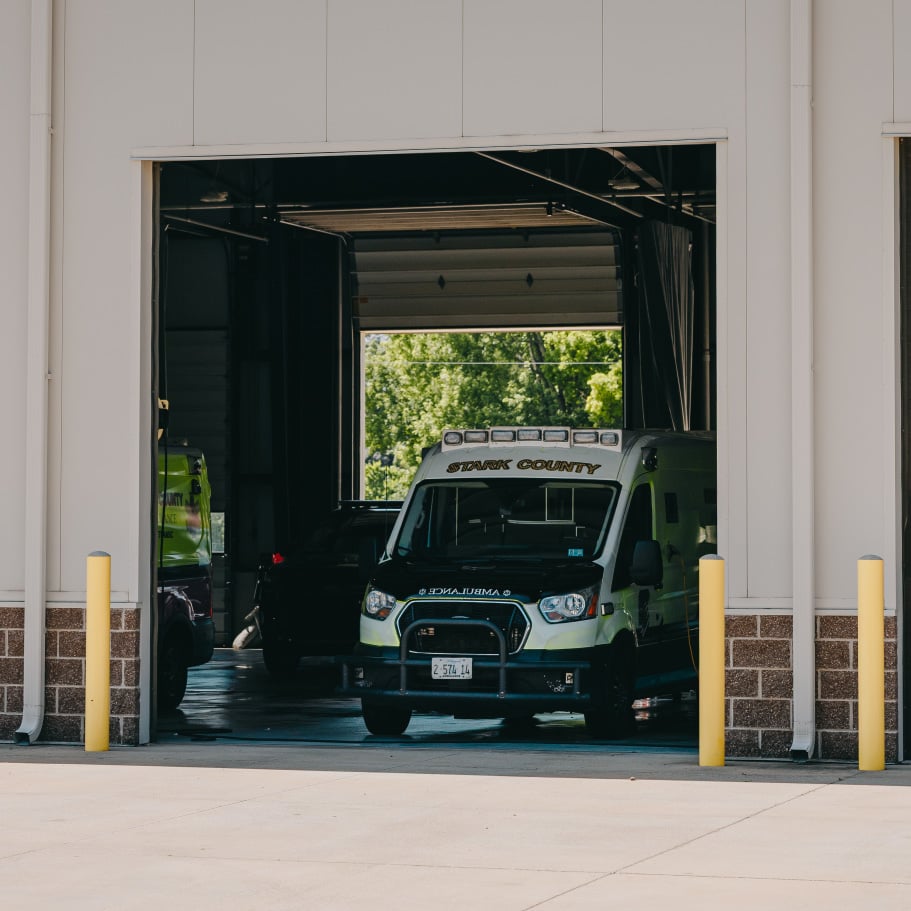
Stark County Ambulance treats routine transports as though they matter, because to the patient they do. Licensed EMT crews, predictable pickup times, and steady coordination with the discharge planners and facilities scheduling them.





Supporting Care Beyond Basic Life Support

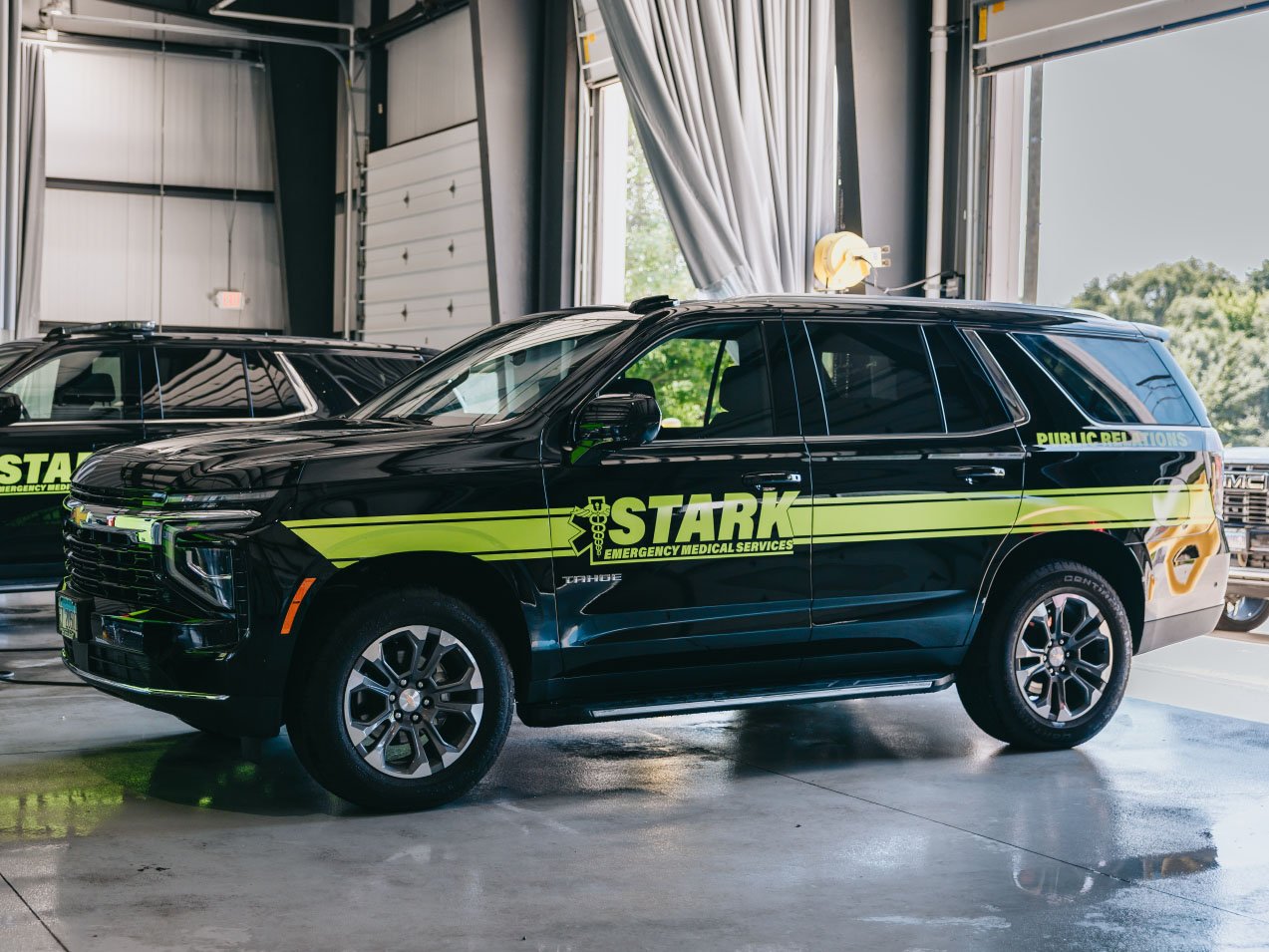
Emergency Response (911)
Rapid-response emergency medical services in partnership with local fire departments and dispatch agencies.
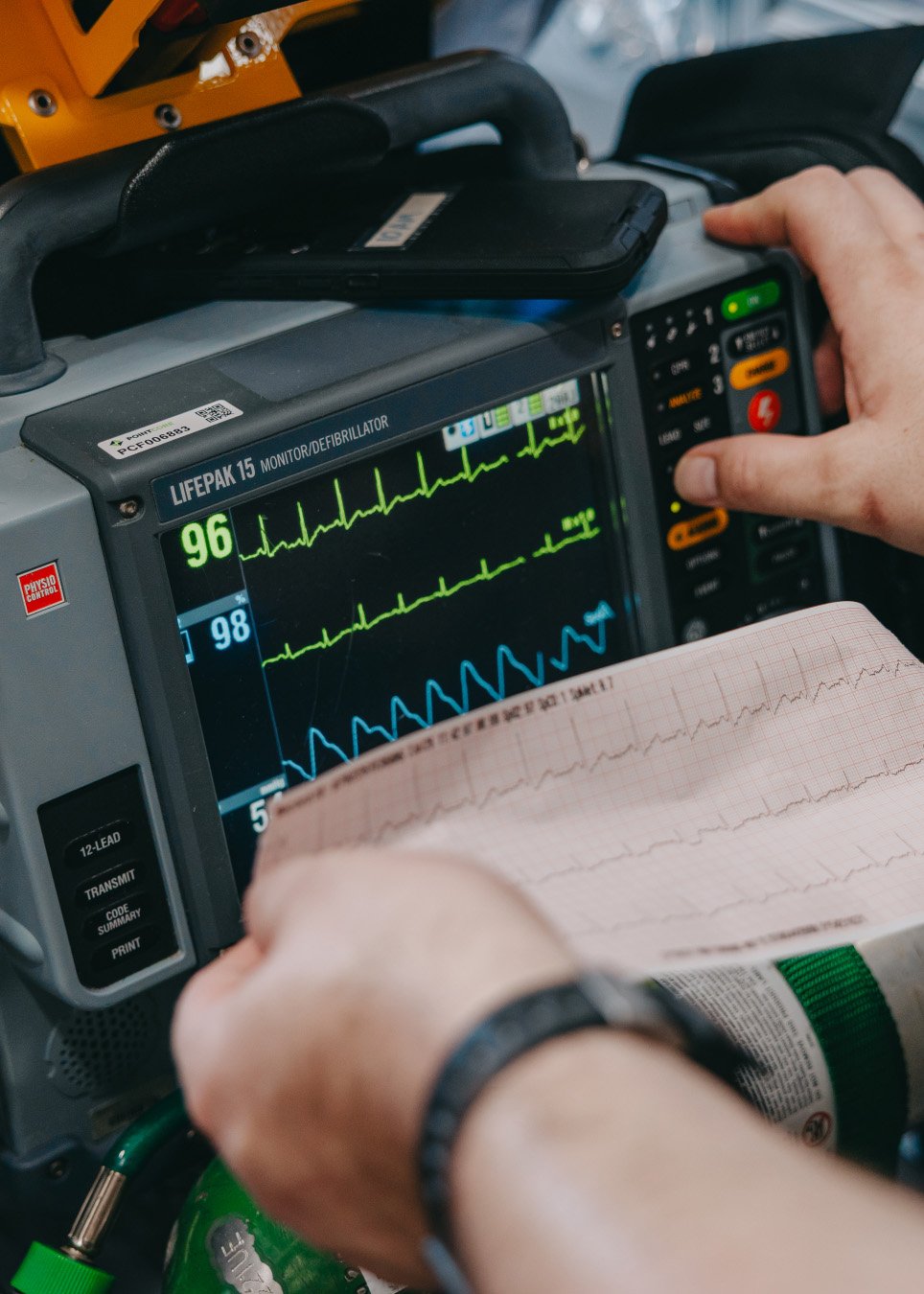
Critical Care Transport (CCT)
Advanced interfacility transport for high-acuity patients requiring intensive monitoring and treatment.

Advanced Life Support (ALS)
Paramedic-led transport with advanced diagnostics, medications, and interventions.
Need a Basic Life Support Transport?
Contact Stark County Ambulance to schedule a one-time run or set up recurring transports for your patients.
