
ICU-Level Critical Care Transport for Illinois Hospitals
Registered nurses and critical care paramedics on staff, under medical director oversight, for the high-acuity transfers that need more than a standard ALS unit.
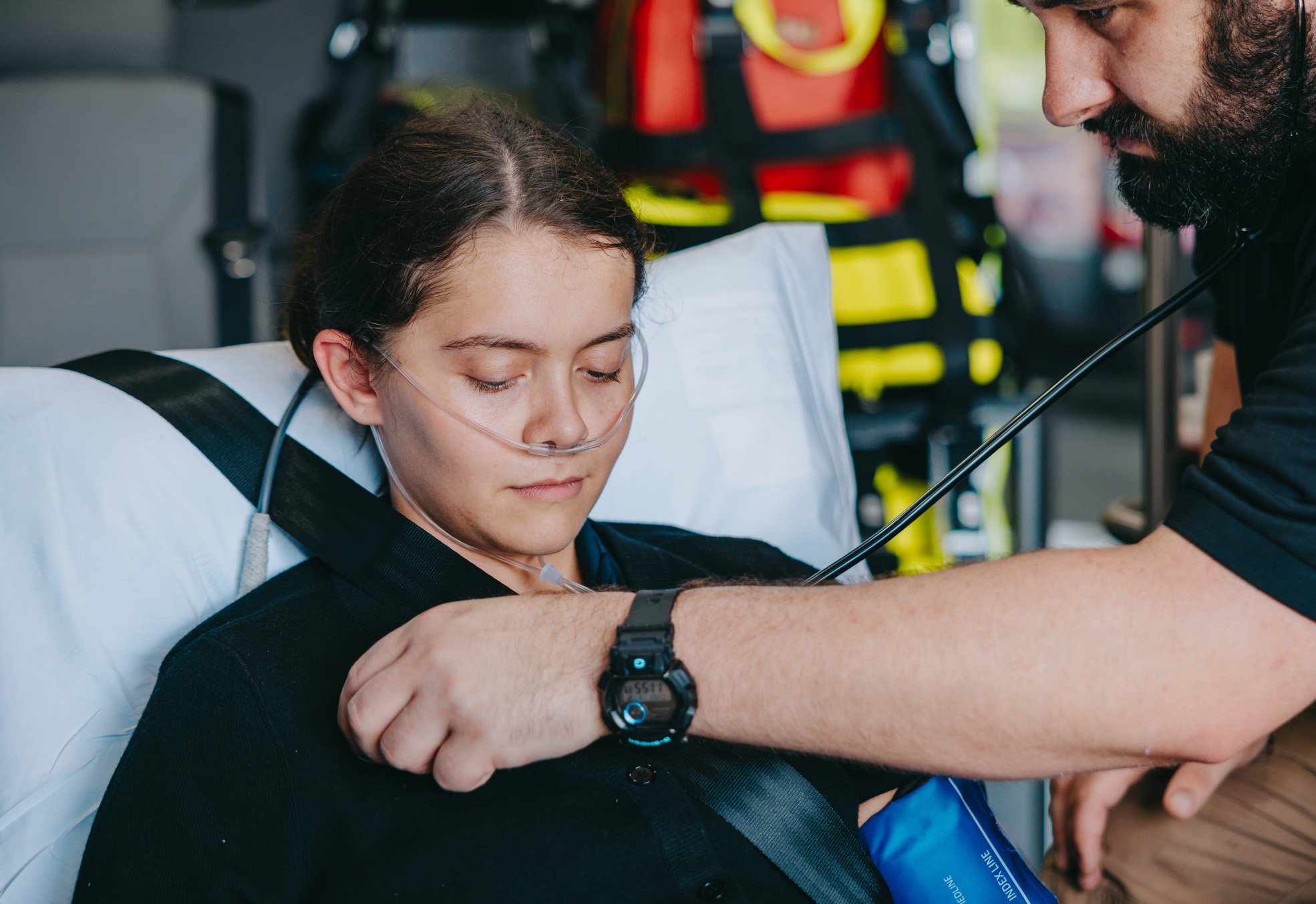
A Team Built for the Most Unstable Patients
Our critical care units are staffed with registered nurses and critical care paramedics under medical director oversight, not paramedics with more equipment. For a ventilated patient, an ICU-to-ICU transfer, or a high-risk cardiac case moving to a specialty center, that difference shows up in clinical outcomes.


Who We Serve
Stark County Ambulance provides critical care transport for patients who need hospital-level monitoring, advanced intervention, and direct clinical coordination between the facilities sending and receiving them.
ICUs & Critical Care Teams
ICU-to-ICU transfers where the receiving team needs the patient to arrive in the same condition the sending team handed over.
Hospitals & Emergency Departments
Emergency departments moving a decompensating patient to a specialty center, where the transport window is part of the clinical picture.
Cardiac & Stroke Centers
Time-sensitive transfers to interventional cardiology and comprehensive stroke centers across Central and Eastern Illinois.
Transfer Centers & Health Systems
System-level transfer coordination with a single point of contact and consistent clinical standards at every station we run.

How Critical Care Transport Works
Four steps from the sending physician's call to the receiving ICU handoff. Same sequence on every transfer.
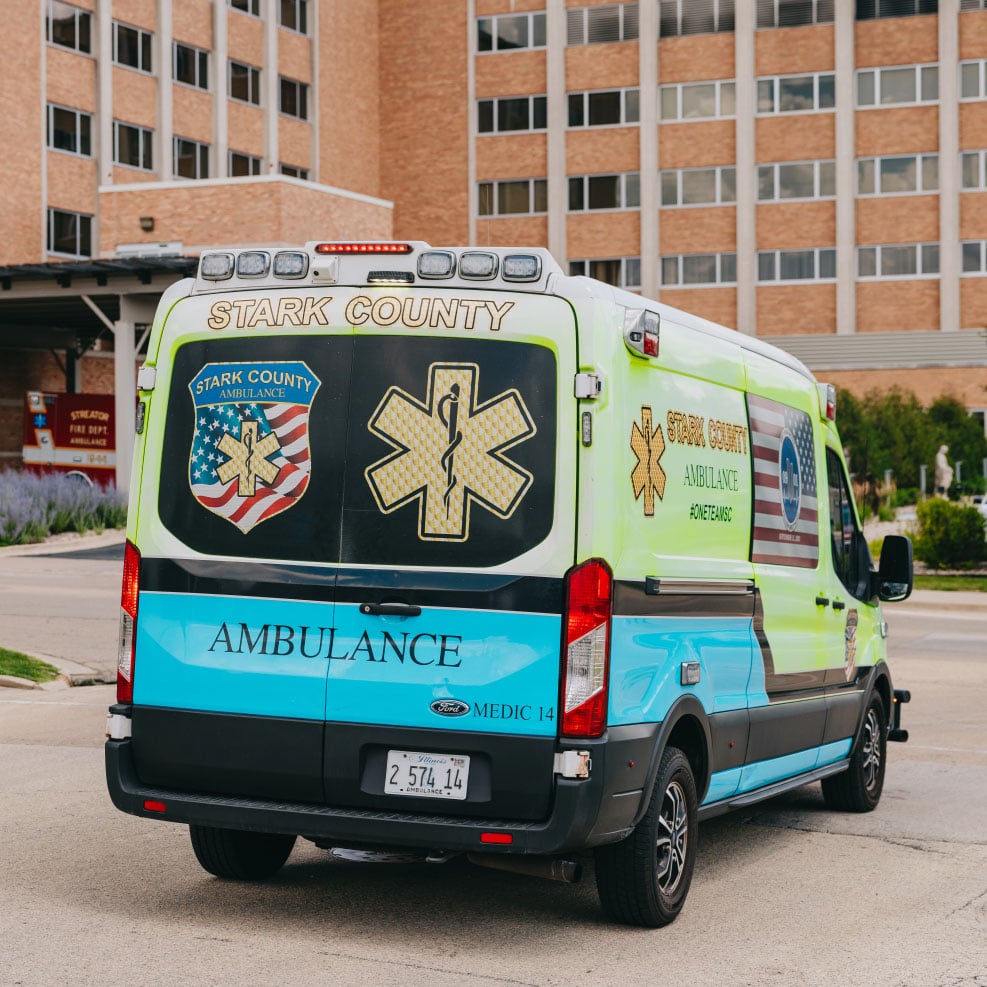
Step 1
Request & Clinical Review
The sending ICU or planner calls dispatch, and our critical care team reviews the case with the sending physician.
Step 2
Crew & Equipment Assignment
Clinicians and advanced equipment matched to acuity, with medications and settings confirmed before the unit leaves.

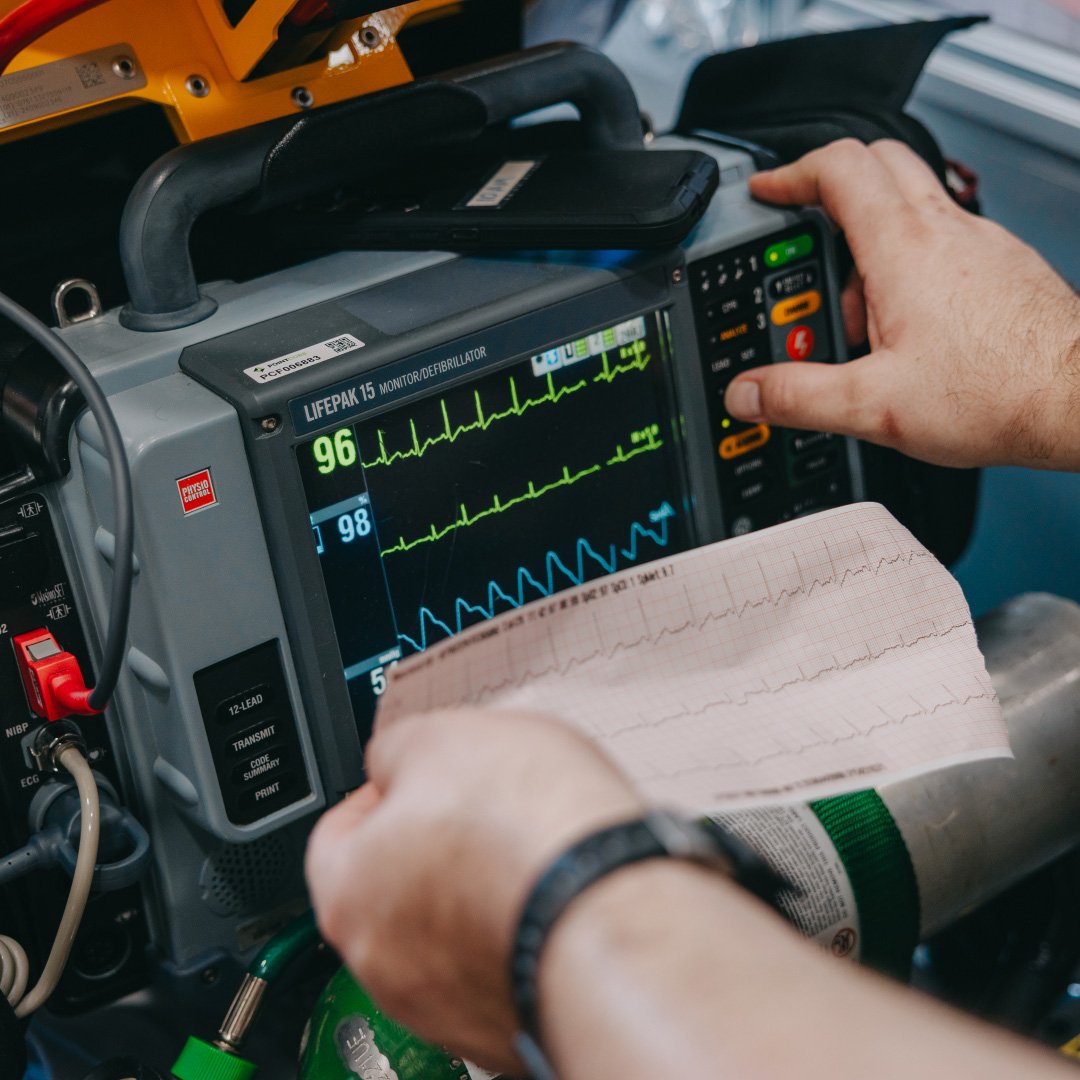
Step 3
Continuous Monitoring En Route
Real-time vitals and ongoing intervention under medical director oversight, with the receiving team kept informed.
Step 4
Direct Handoff to the Receiving Team
Full report, equipment reconciled, and care transferred directly to the receiving ICU staff.
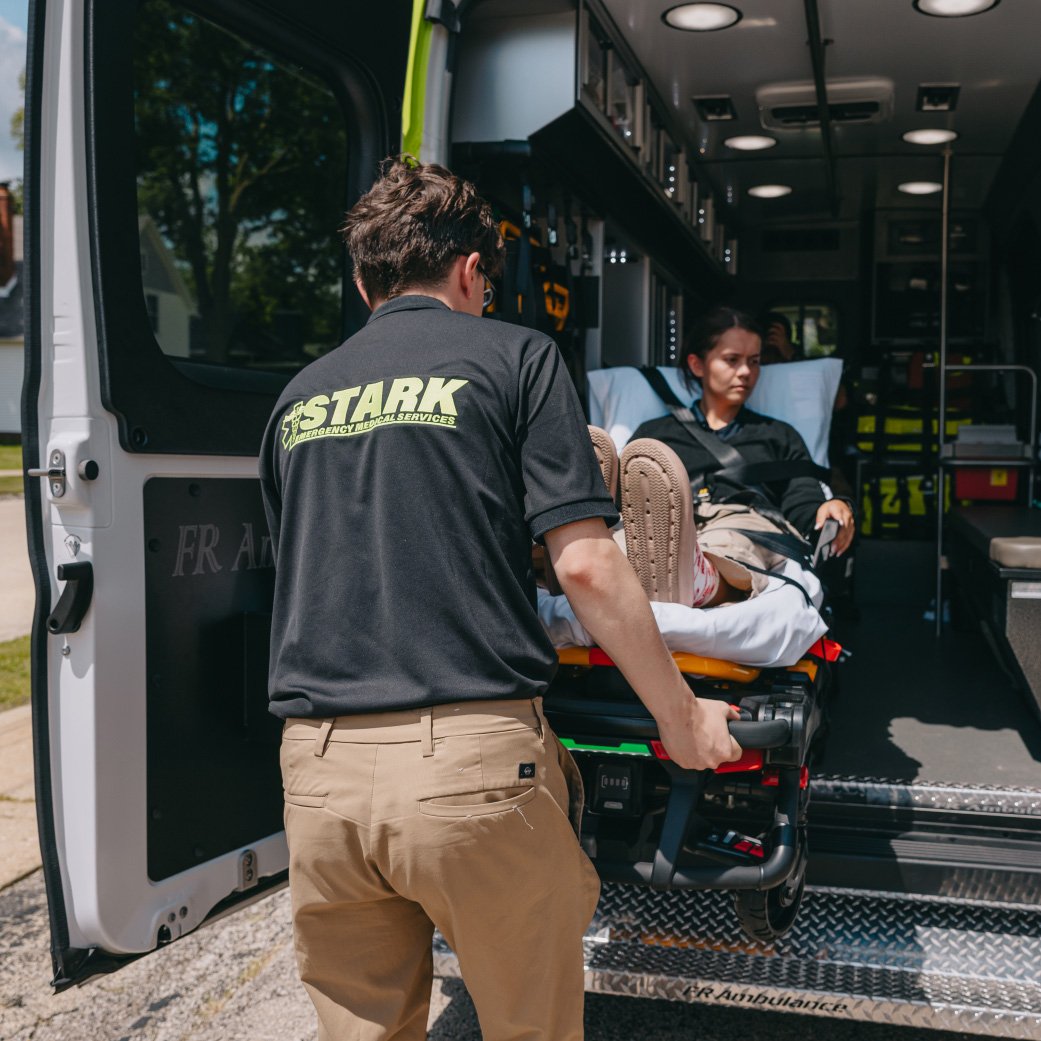
Critical Care Transport Capabilities
Every critical care rig is loaded to protocol and checked every shift. This is what's on board.

Ventilator Management
Transport ventilators with settings maintained to the sending physician's orders, managed by clinicians who use them daily.

Advanced Cardiac & Hemodynamic Monitoring
Invasive monitoring, continuous 12-lead, and hemodynamic support for patients who can't tolerate a gap in observation.

IV Medication Infusions
Multi-channel pumps running vasoactive drips, sedation, and continuous infusions without interruption during transfer.
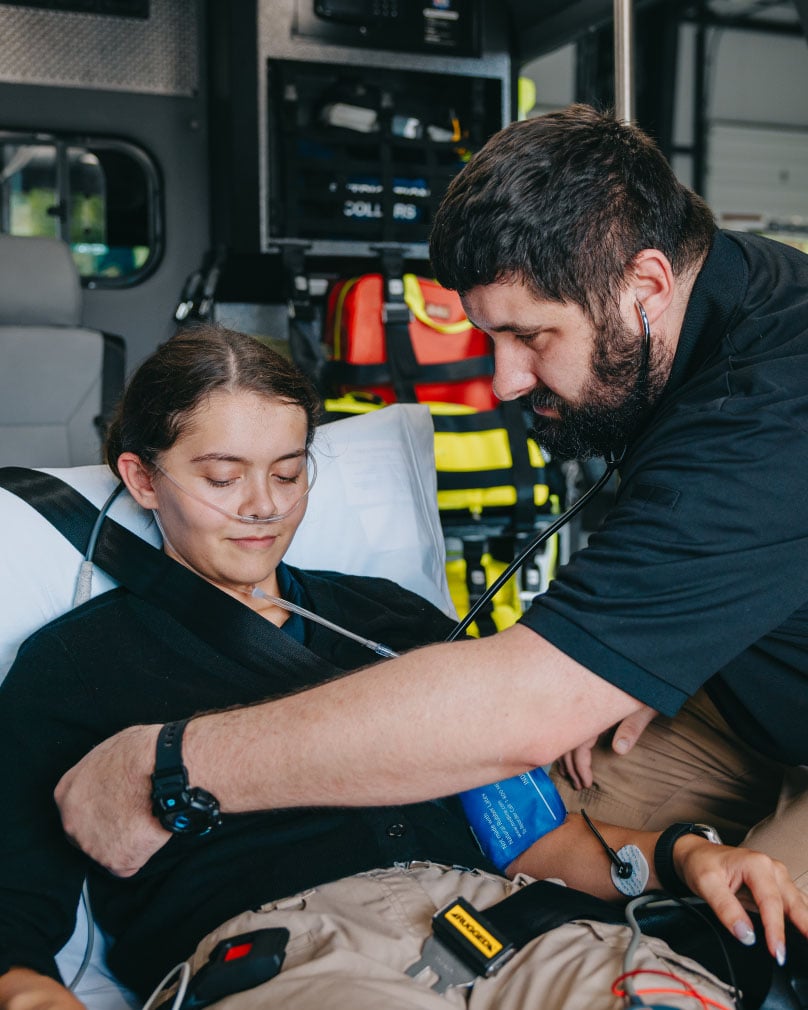
Critical Care Trained Clinicians
RNs, critical care paramedics, and respiratory therapists with advanced certifications and ongoing clinical education.

Physician Communication & Oversight
Direct line to our medical director en route, and to the sending and receiving physicians when the plan needs to change.

Multi-Station Rapid Response
Critical care units staged across eight stations in five Illinois counties, matched to whichever unit reaches the sending facility fastest.
A Trusted Partner for High-Acuity Transfers
Stark County Ambulance runs critical care for the transfers where nothing can slip. RN and critical care paramedic crews, physician oversight, and direct coordination with the ICU teams sending and receiving every patient we move.


Supporting Care Beyond Critical Care Transport

Emergency Response (911)
Rapid-response emergency medical services in partnership with local fire departments and dispatch agencies.
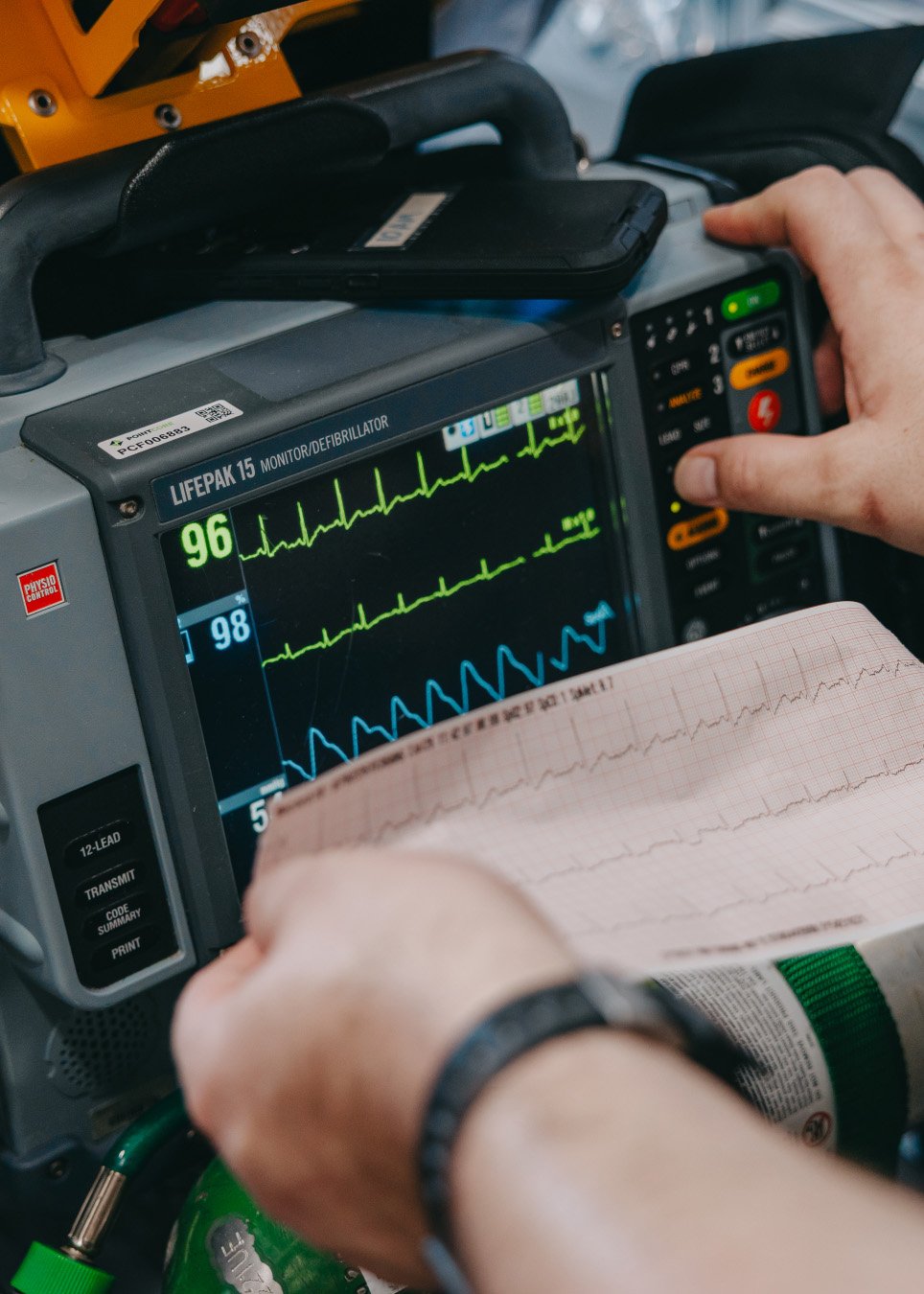
Advanced Life Support (ALS)
Paramedic-led transport with advanced diagnostics, medications, and interventions.

Basic Life Support (BLS)
Safe, professional medical transport for stable patients and scheduled care needs.
Need to Move a
High-Acuity Patient?
Contact Stark County Ambulance and we'll route your request to the closest available critical care unit.